
Small and stable
A soft, reducible bulge with little discomfort can usually be assessed during a scheduled surgical consultation.
Adult umbilical hernia care in Austin & Central Texas
A belly-button bulge may be painless, tender, or gradually enlarging. The useful questions are whether it is truly a hernia, how likely it is to progress, when repair makes sense, and what your recovery would require.
What is this?
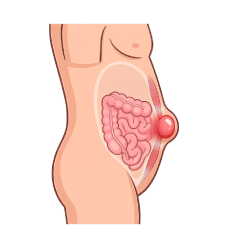
An adult umbilical hernia develops when fat or intestine pushes through the abdominal wall at or close to the navel. It may look like a round bulge, change size when standing or straining, and flatten when lying down. Pressure, tenderness, or discomfort during lifting and exercise can accompany the bulge.
The examination looks at the size of the opening, what appears to be inside it, whether it reduces, and whether there are additional defects or separation of the central abdominal muscles. Ultrasound or CT may help when the anatomy is uncertain or the hernia is larger, recurrent, or associated with previous surgery.
A small bulge can still have a meaningful opening beneath the skin. The repair plan is based on the defect, not simply how the navel looks.
Should I be concerned?
Many umbilical hernias are evaluated electively. Increasing symptoms, enlargement, or difficulty reducing the bulge deserve a timely visit, while signs of trapped bowel need emergency care.
A soft, reducible bulge with little discomfort can usually be assessed during a scheduled surgical consultation.
Increasing size, pressure, pain, skin irritation, or interference with activity are reasons to discuss repair.
Sudden pain, firmness, skin-color change, vomiting, fever, or abdominal swelling requires immediate evaluation.
Do I need surgery?
An umbilical hernia does not close on its own in an adult. Very small, minimally symptomatic defects may allow time for individualized planning after examination. Pain, enlargement, activity limits, incarceration, or patient preference can make elective repair appropriate.
Defect size and tissue quality help determine whether sutures alone or mesh reinforcement is considered. Prior abdominal surgery, future pregnancy plans, diabetes, nicotine use, weight, liver disease, and overall operative risk may affect timing and technique.
The opening is closed directly with sutures without permanent mesh.
Selected very small primary defects with favorable tissue and recurrence considerations.
A prosthetic reinforcement supports the weakened abdominal wall and reduces tension on the closure.
Many adult defects where size or tissue factors make reinforcement beneficial.
Laparoscopic or robotic access may allow repair and mesh placement through small incisions.
Selected larger, recurrent, or anatomically suitable hernias.
Technique selected with purpose
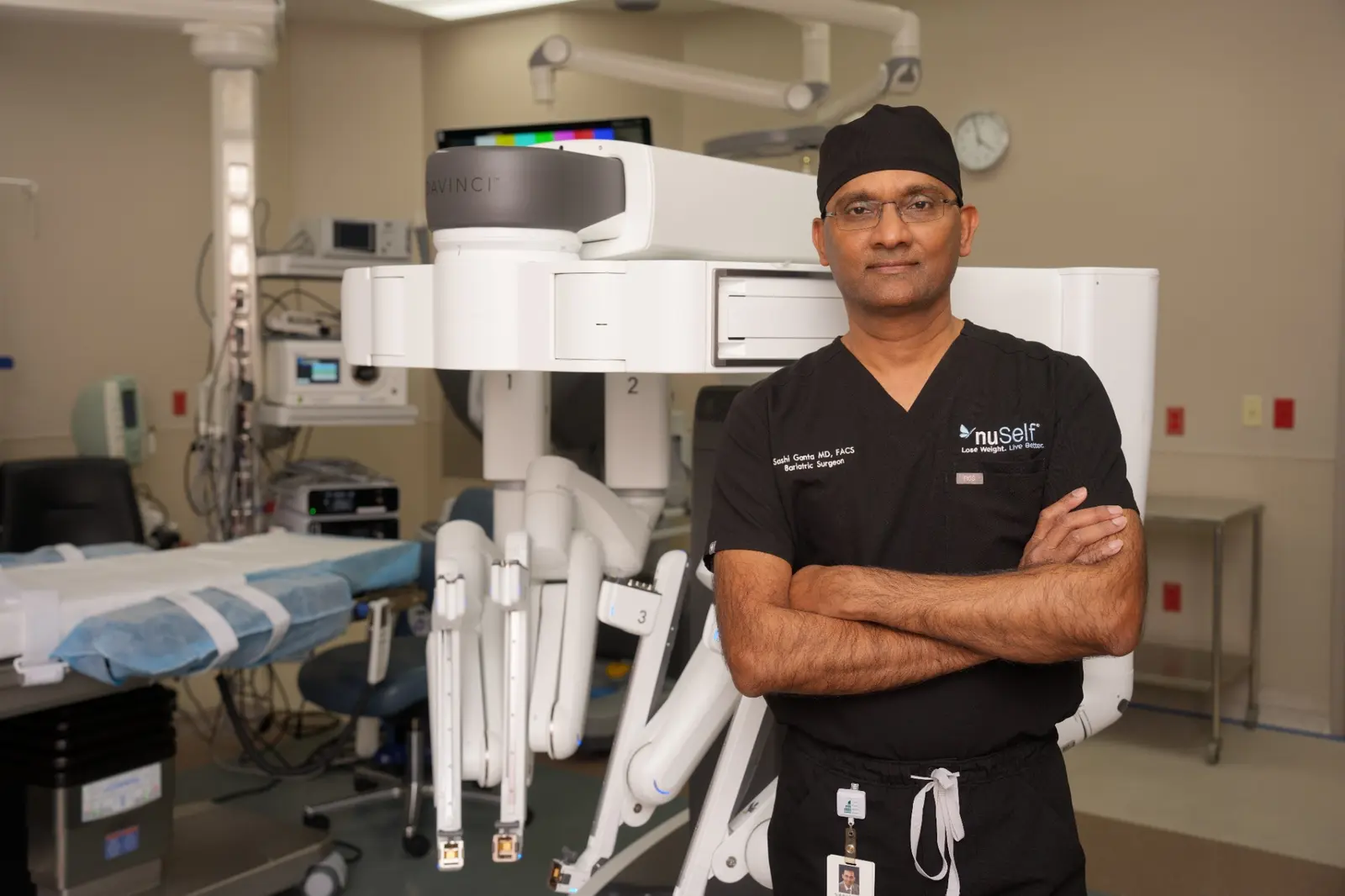
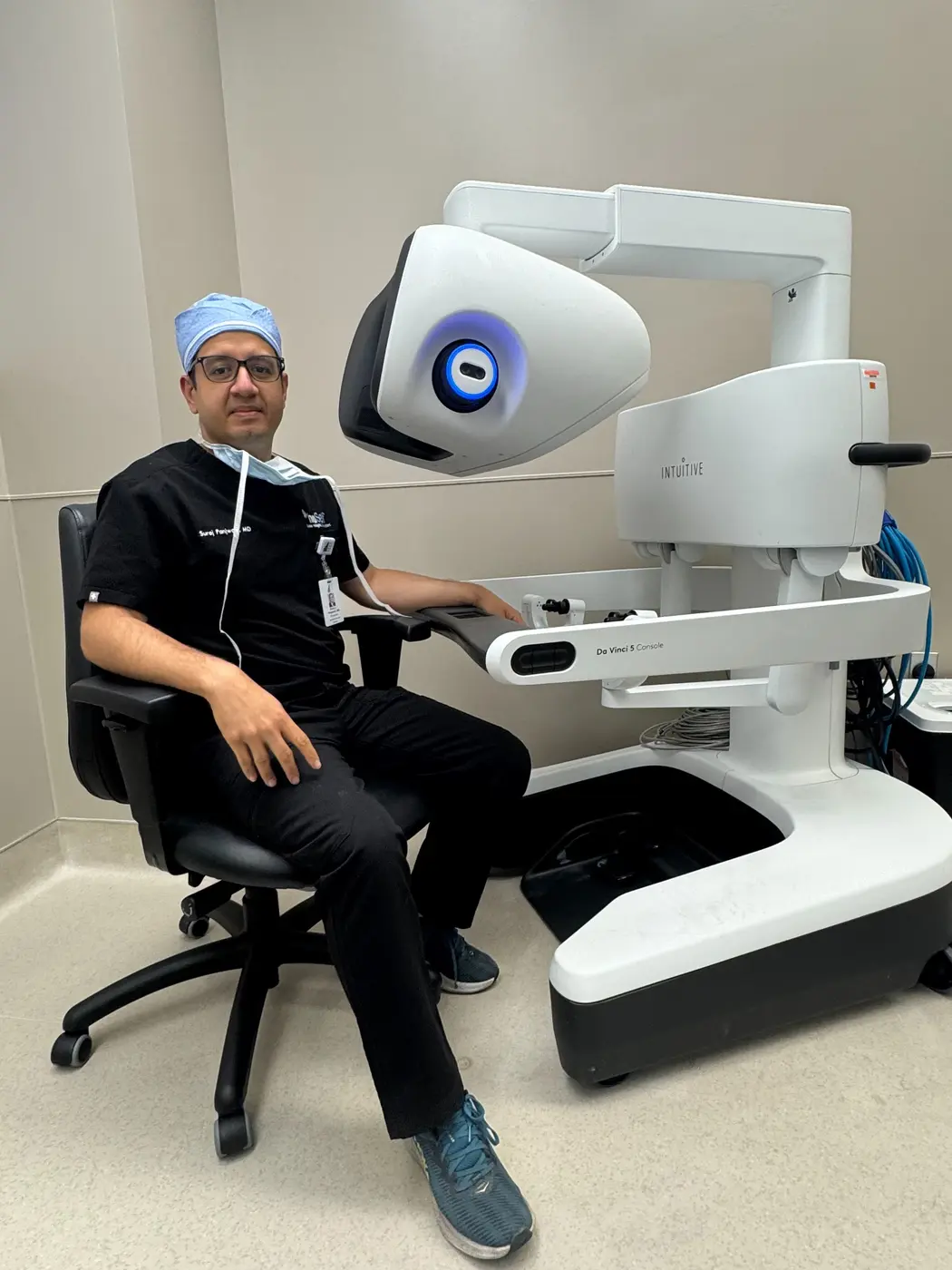
The goal is a durable abdominal-wall repair with a natural contour and a recovery plan that fits work, exercise, and home responsibilities. Robotic assistance is one option when it supports the anatomy and repair, not a requirement for every umbilical hernia.
Explore minimally invasive surgeryHow quickly?
A stable umbilical hernia can be evaluated, optimized, and scheduled. Symptoms that are changing deserve faster attention.
Stable size, mild symptoms, and a bulge that reduces.
Schedule an examination and discuss whether repair is worthwhile.Increasing pain or size, more frequent protrusion, or difficulty reducing the bulge.
Contact NuSelf for a timely appointment.Severe pain, firm or discolored bulge, vomiting, fever, or abdominal swelling.
Call 911 or go to the nearest emergency department.Who will perform my repair?
Your surgeon defines the defect, explains the role of mesh and each approach, and sets expectations for the navel contour, activity, and recurrence.

Founder & Board-Certified Surgeon
Yale fellowship-trained surgeon with experience in advanced minimally invasive, robotic, complex general, bariatric, revisional, and second-opinion care.
View physician profile
Board-Certified, Fellowship-Trained Surgeon
Yale-affiliated chief residency and advanced fellowship training in minimally invasive, bariatric, robotic, and general surgery.
View physician profileWill it be painful?
Soreness is usually most noticeable when standing, coughing, or changing position. The medication plan, early walking, support for movement, and prevention of constipation help patients move through the first days more comfortably.
How long until I feel like myself?
Your defect size, approach, mesh position, health, and work demands determine the schedule. Use these milestones as a sequence rather than a promise.
Larger repairs require more healing time. Your surgeon will tailor driving, work, lifting, exercise, wound care, and follow-up instructions to the actual repair.
Frequently asked questions
Short answers to the questions that often come next. Your examination, testing, and medical history determine what applies to you.
Explore patient resourcesNo. The abdominal-wall opening does not close by itself in an adult. Symptoms, size, progression, health, and operative risk determine whether and when repair is advised.
No. A hernia is a true opening through the abdominal wall. Diastasis recti is widening between the central abdominal muscles and can coexist with a hernia but is planned differently.
Not always. Very small selected defects may be closed with sutures, while many adult umbilical hernias benefit from reinforcement. Your surgeon will explain the recurrence tradeoff and planned mesh position.
Yes. Future pregnancy can place new stress on the abdominal wall. Timing should be discussed individually based on symptoms, hernia behavior, and family plans.
The surgeon aims to preserve or restore a natural contour, but swelling, scar tissue, defect size, and previous surgery can change the final appearance.
Walking begins early. More strenuous exercise and lifting return gradually according to the size and technique of repair and your surgeon’s instructions.
Your next step
Share what has changed at the belly button and how it affects you. Explore organized care options or schedule an umbilical hernia consultation.
This page provides general education and does not replace an examination, diagnosis, or individualized medical advice.