
Stable diagnosis
A known condition without acute obstruction, severe infection, or major bleeding can usually be evaluated in a coordinated consultation.
Colon and intestinal surgical care in Central Texas
A bowel diagnosis can bring questions about urgency, cancer, resection, an ostomy, pain, and time away from normal life. NuSelf organizes the records, explains what the diagnosis means, and builds the next step around the specific condition.
What is this?
Colon and intestinal consultation may follow recurrent diverticulitis, a polyp or mass that cannot be removed endoscopically, cancer, obstruction, a stricture, adhesions, inflammatory complications, or an abnormal scan. The diagnosis and its location determine which records, specialists, and treatments are relevant.
A complete review may include CT or MRI images, colonoscopy and pathology reports, laboratory results, prior operations, and current symptoms. When cancer is possible or confirmed, coordination with gastroenterology, pathology, medical oncology, or other clinicians may be needed before the sequence of treatment is finalized.
The purpose of consultation is to define the problem first, then explain whether surgery improves the expected outcome.
How serious is it?
Stable findings can be reviewed with complete records. Active obstruction, perforation, uncontrolled bleeding, or severe infection requires emergency care.
A known condition without acute obstruction, severe infection, or major bleeding can usually be evaluated in a coordinated consultation.
Increasing pain, bowel-pattern change, reduced intake, anemia, recurrent fever, or concerning pathology deserves timely review.
Severe pain, repeated vomiting, distention, inability to pass stool or gas, heavy bleeding, fainting, or a rigid abdomen requires immediate care.
Do I need surgery?
Some bowel conditions respond to medical treatment or surveillance. Surgery may be recommended when disease is obstructing, recurrently inflamed, perforated, cancerous, not removable endoscopically, or significantly affecting health and quality of life.
When resection is planned, the surgeon explains which segment would be removed, whether the ends are expected to be reconnected, and what circumstances could require a temporary or permanent ostomy. The possibility of minimally invasive access depends on anatomy, inflammation, prior operations, and safety.
The affected segment is removed with its blood supply and related tissue as appropriate for the diagnosis.
The exact segment, pathology goals, and whether reconnection is expected.
The healthy ends of bowel are reconnected when tissue, blood flow, and the clinical situation support it.
Leak risk, nutrition, inflammation, and whether protection is needed.
Bowel is brought to the abdominal wall temporarily or permanently in selected circumstances.
Why it may be needed, whether reversal is likely, and ostomy education.
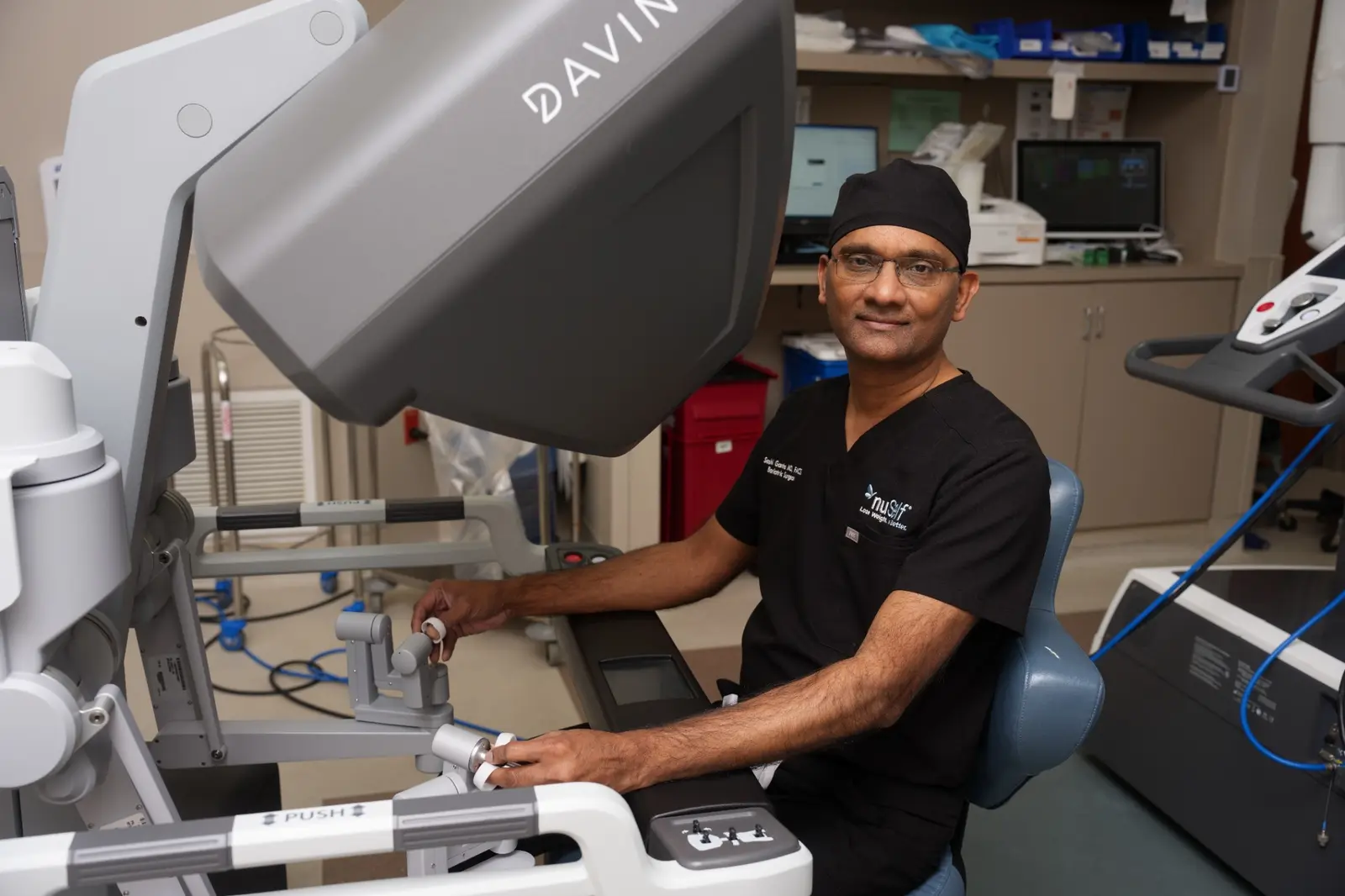
One operation inside a larger plan
NuSelf reviews imaging, endoscopy, pathology, prior operations, and the recommendations already made. For cancer or complex disease, the surgical step is coordinated with the clinicians responsible for the full treatment sequence.
See which records are helpfulHow quickly?
A stable surgical question allows time for records and coordination. Obstruction, perforation, uncontrolled bleeding, and severe infection do not.
Stable symptoms, completed imaging or endoscopy, and no active obstruction, major bleeding, or acute infection.
Schedule review and gather the relevant records.Increasing pain, recurrent fever, anemia, reduced intake, bowel-pattern change, or concerning pathology.
Contact the treating clinician or NuSelf promptly.Severe pain, repeated vomiting, distention, inability to pass stool or gas, heavy bleeding, fainting, or acute illness.
Call 911 or go to the nearest emergency department.Who will perform my surgery?
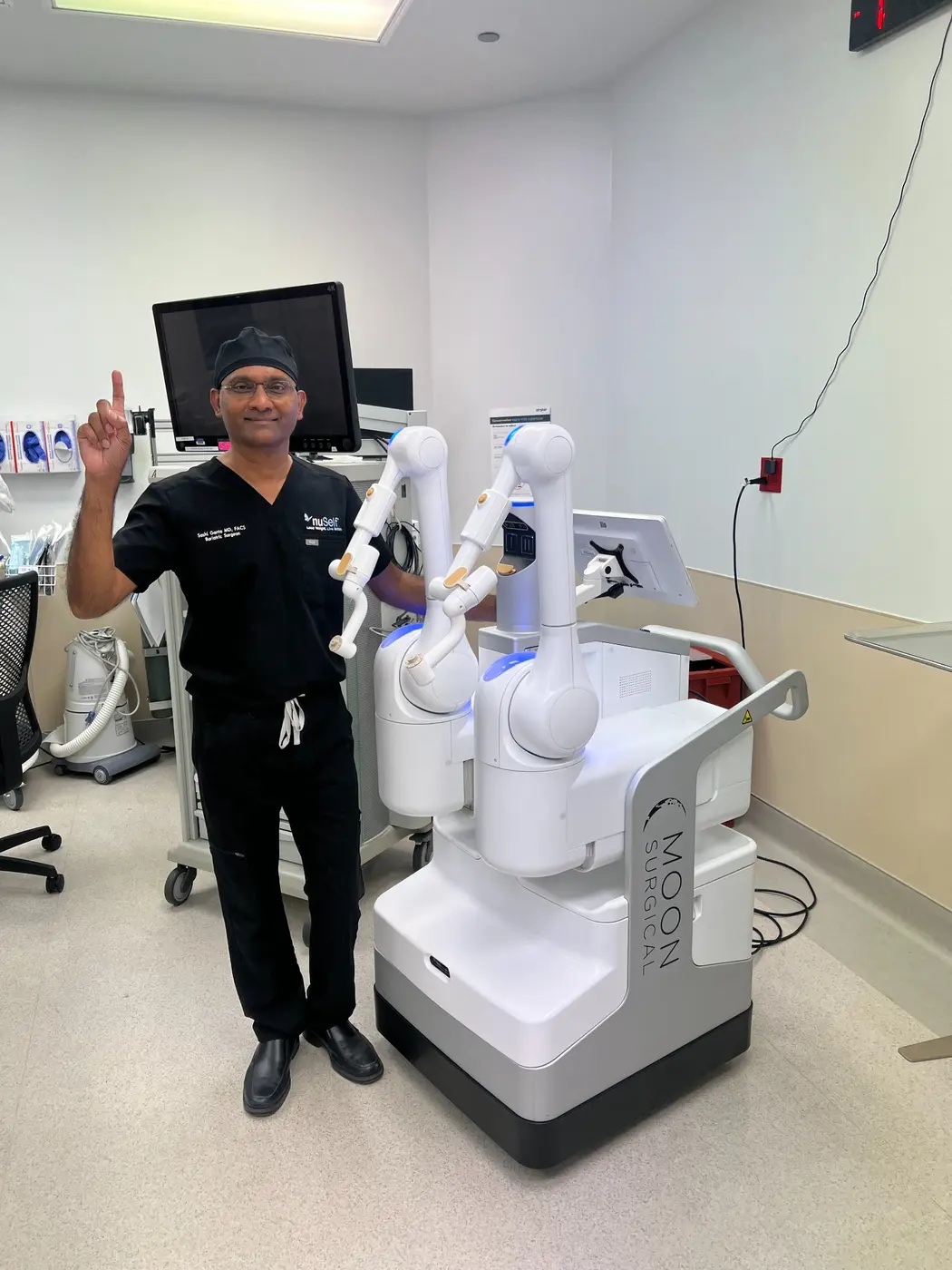
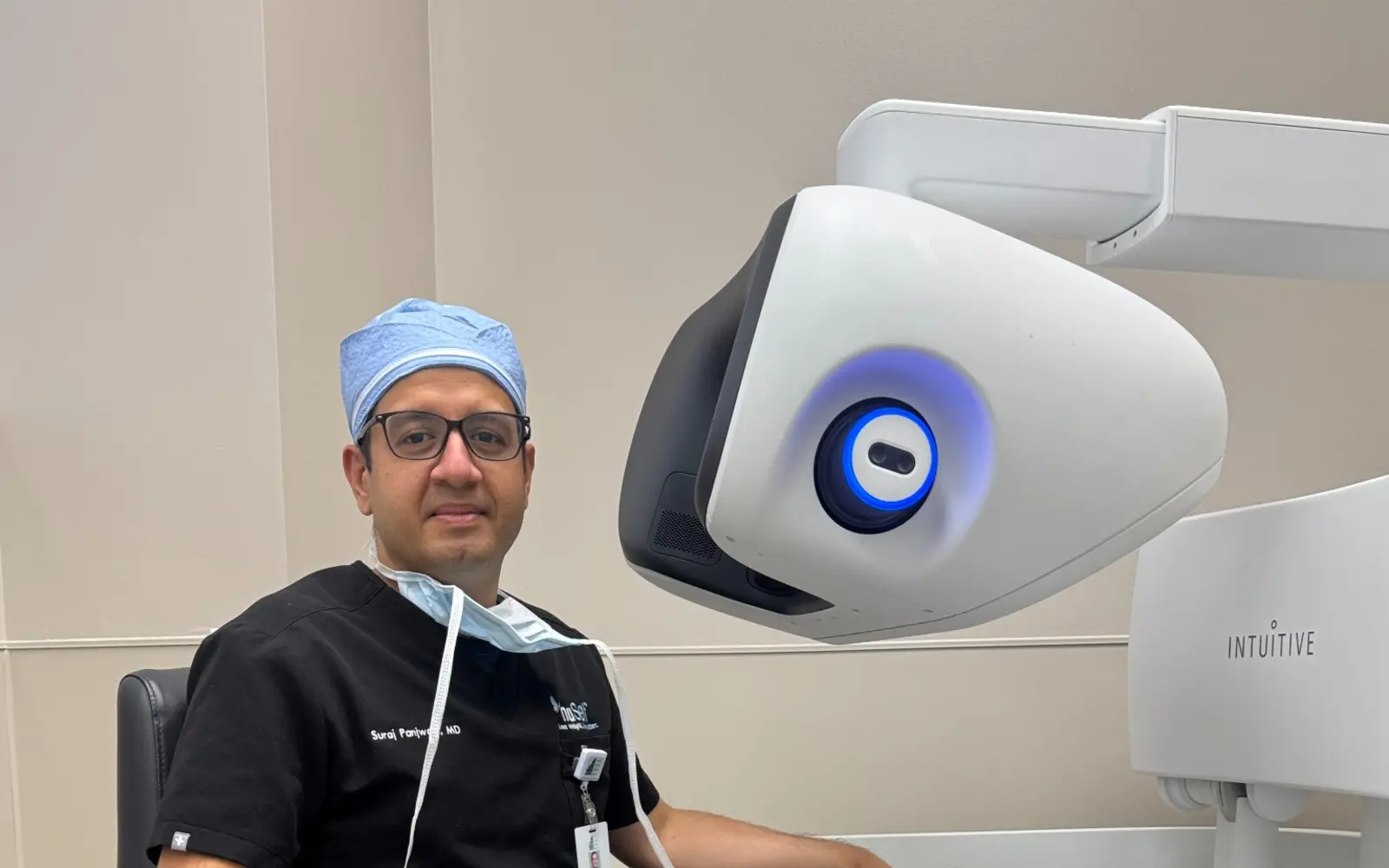
Your surgeon reviews the full record, explains the proposed bowel operation and alternatives, and coordinates the hospital and specialty care the diagnosis requires.

Founder & Board-Certified Surgeon
Yale fellowship-trained surgeon with experience in advanced minimally invasive, robotic, complex general, bariatric, revisional, and second-opinion care.
View physician profile
Board-Certified, Fellowship-Trained Surgeon
Yale-affiliated chief residency and advanced fellowship training in minimally invasive, bariatric, robotic, and general surgery.
View physician profileWill it be painful?
Bowel surgery recovery also depends on nausea control, early movement, lung expansion, nutrition, and return of intestinal function. Multimodal medication and enhanced-recovery principles may reduce avoidable discomfort while supporting safe movement.
How long until I feel like myself?
Hospital stay and return to normal vary by operation, inflammation, open versus minimally invasive access, cancer treatment, and complications.
The diagnosis remains important after surgery. Pathology, ostomy needs, nutrition, cancer treatment, and bowel-function changes can extend follow-up beyond the incision’s healing.
Frequently asked questions
Short answers to the questions that often come next. Your examination, testing, and medical history determine what applies to you.
Explore patient resourcesBring imaging reports and images, colonoscopy and pathology reports, recent laboratory results, prior abdominal operation reports, hospital notes, and the current treatment recommendation.
Many bowel operations do not require one. An ostomy may be needed when reconnection is unsafe, a connection needs protection, or the disease requires it. Your surgeon should explain the likelihood and whether it may be temporary.
Many selected operations can be performed laparoscopically or robotically. Severe inflammation, extensive scar tissue, anatomy, or safety may favor or require an open approach.
It depends on the operation and return of bowel function. The team considers pain control, walking, eating, urination, laboratory results, and complications before discharge.
Temporary changes in frequency, urgency, consistency, or gas are common after resection. The pattern depends on the segment removed and usually evolves during recovery.
The treatment sequence may involve surgery, medical oncology, pathology, gastroenterology, and other specialists. NuSelf coordinates the surgical component with the broader care team.
Your next step
Share the diagnosis, symptoms, imaging, endoscopy, and proposed treatment. Explore organized care options or schedule a focused colon and intestinal consultation.
This page provides general education and does not replace an examination, diagnosis, or individualized medical advice.