Stable and reducible
A soft bulge with manageable symptoms can usually be evaluated with records and selective imaging.
Incisional and recurrent hernia care in Central Texas
A bulge or pain near an old incision deserves more than a generic hernia plan. Previous operations, mesh, infection, scar tissue, and the current abdominal wall all shape what can be repaired and how.
What is this?
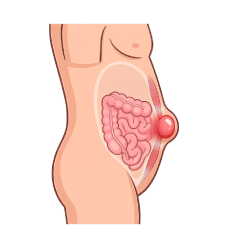
An incisional hernia develops when the deeper abdominal-wall layers separate at or near a prior operation. The skin may have healed normally while the muscle and connective tissue beneath it weakened. A bulge can appear months or years later and may contain fat or intestine.
Some patients have one defined opening; others have several defects along a scar, separation of central muscles, or a recurrent hernia after mesh repair. CT imaging and the prior operative record can show anatomy that is not apparent from the surface.
The original operation matters. The type of incision, reason for surgery, wound complications, and previous mesh all influence the next repair.
Should I be concerned?
Most incisional hernias permit planned evaluation, but increasing symptoms and bowel-obstruction signs change the urgency.
A soft bulge with manageable symptoms can usually be evaluated with records and selective imaging.
Increasing size, pain, skin change, reduced function, or recurrence after repair should prompt timely specialist review.
Severe pain, vomiting, abdominal swelling, fever, or a firm discolored bulge requires immediate care.
Do I need surgery?
Symptoms, progression, hernia contents, health, and the likelihood of a durable repair guide the decision. An incisional hernia does not close by itself. Elective repair may be recommended when the defect is painful, enlarging, function-limiting, or at risk of further complexity.
Reviewing old records can prevent surprises. Your surgeon may need to know the mesh product and position, whether the wound was infected, and why the first operation was performed. Nicotine cessation, diabetes control, nutrition, weight, and treatment of skin or wound problems may be part of preparation.
Broad access allows scar release, removal or revision of selected old material, closure, and reinforcement.
Large, complex, recurrent, or contaminated defects requiring direct reconstruction.
Small incisions provide an internal view of the defect and can allow mesh reinforcement.
Selected incisional hernias with anatomy suited to intra-abdominal access.
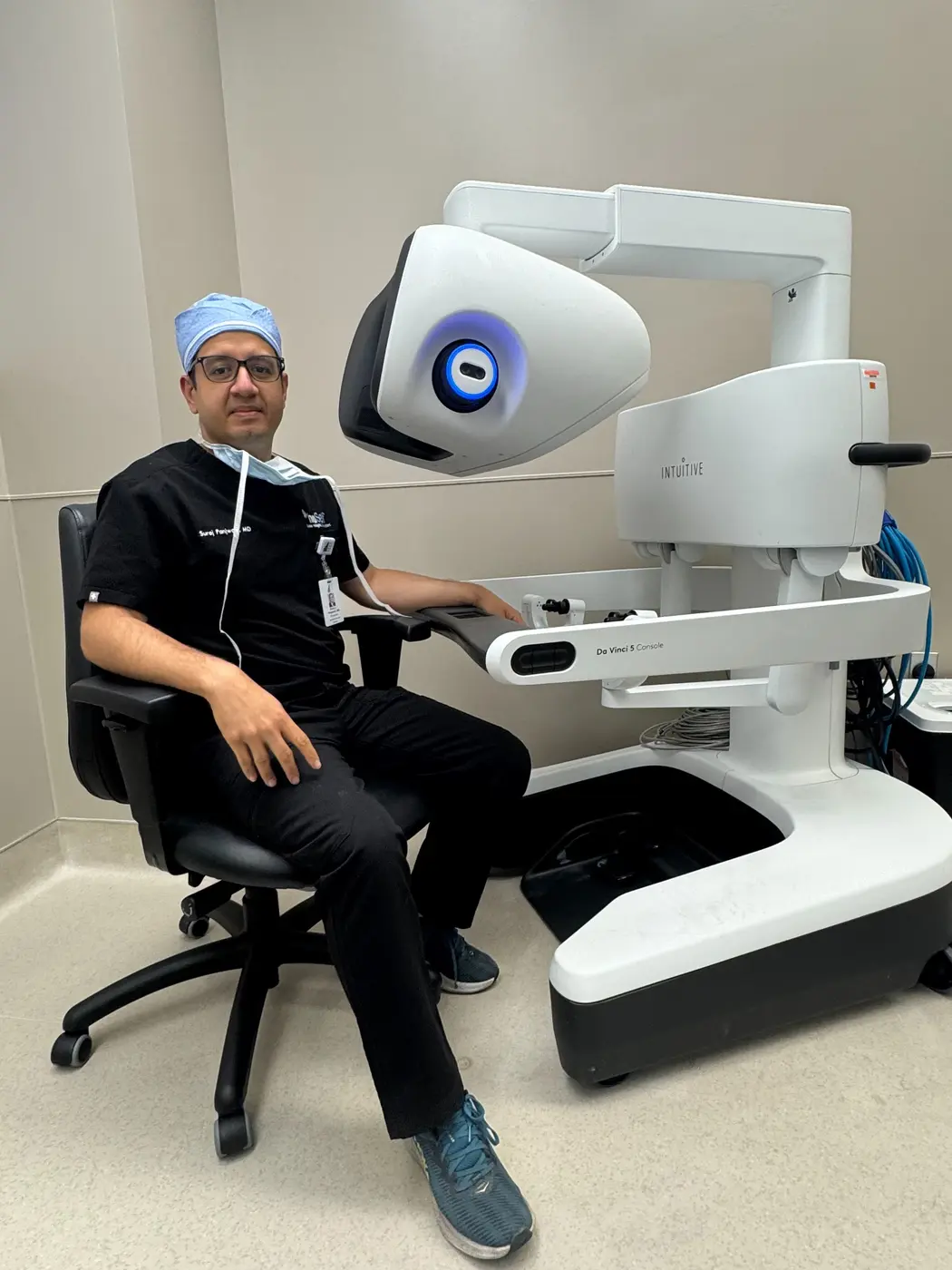
The surgeon controls articulated instruments to release scar tissue, close layers, and reinforce selected defects.
Cases suited to minimally invasive suturing or abdominal-wall reconstruction.
Records become part of the operation
Prior operative reports, mesh information, CT images and reports, and details of infection or wound drainage can materially change the plan. NuSelf uses that history to explain what is known, what still needs evaluation, and how the next repair would differ.
Review helpful recordsHow quickly?
When there are no emergency signs, deliberate records review and health optimization can improve readiness. Escalating symptoms deserve faster attention.
Stable, reducible defect with time to obtain records, imaging, and optimize health.
Schedule a consultation and gather prior operation reports.Increasing pain or size, skin irritation, reduced bowel comfort, or harder reduction.
Contact NuSelf for timely evaluation.Severe pain, vomiting, distention, fever, or a firm discolored bulge that will not reduce.
Call 911 or go to the nearest emergency department.Who will perform my repair?
Your surgeon reviews the previous operation, maps the current defect, and explains whether a focused repair or broader abdominal-wall reconstruction is appropriate.

Founder & Board-Certified Surgeon
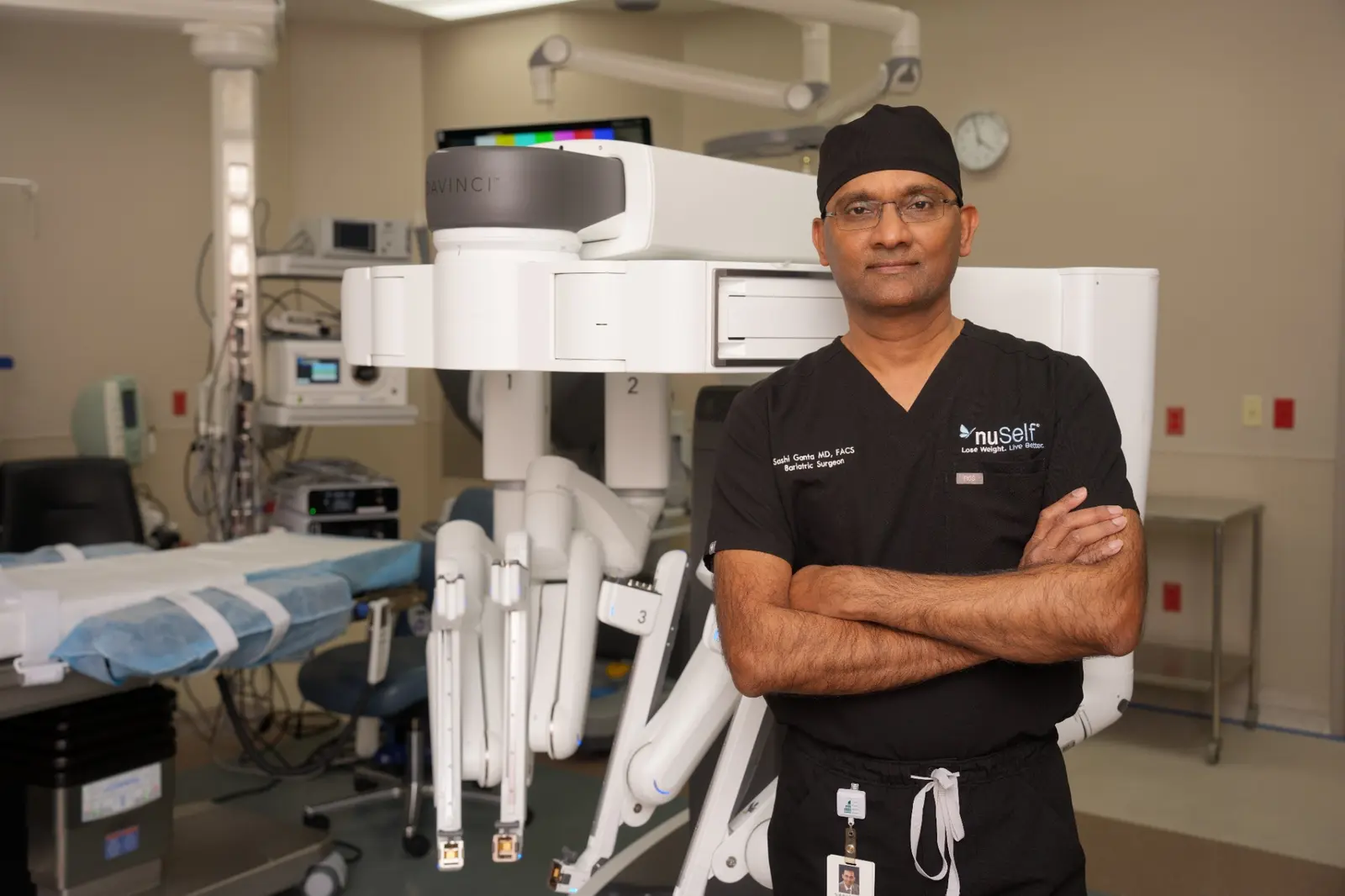
Yale fellowship-trained surgeon with experience in advanced minimally invasive, robotic, complex general, bariatric, revisional, and second-opinion care.
View physician profile
Board-Certified, Fellowship-Trained Surgeon
Yale-affiliated chief residency and advanced fellowship training in minimally invasive, bariatric, robotic, and general surgery.
View physician profileWill it be painful?
Scar release and abdominal-wall reconstruction can create more tightness and fatigue than a small first-time repair. The team plans anesthesia, multimodal medication, mobility, bowel regularity, wound care, and inpatient support according to the expected operation.
How long until I feel like myself?
Prior surgery, scar tissue, defect size, mesh revision, hospital stay, and physical job demands all affect pace.
Plan for the operation you are actually having. NuSelf will give you specific instructions for hospital care, driving, work, lifting, nutrition, wounds, drains, and follow-up.
Frequently asked questions
Short answers to the questions that often come next. Your examination, testing, and medical history determine what applies to you.
Explore patient resourcesBring the original operation report, all hernia repair reports, mesh or implant information, CT reports and images, and details of infection, drainage, or prior wound treatment.
No. Mesh may be left in place, revised, or removed depending on position, infection, symptoms, and the planned reconstruction. The decision is individualized.
CT imaging can map defect size, multiple openings, muscle separation, hernia contents, old mesh, and scar-related anatomy before a complex repair.
Some can. Prior technique, mesh position, adhesions, defect size, and the required reconstruction determine whether laparoscopic or robotic access is appropriate.
Nicotine exposure, uncontrolled diabetes, poor nutrition, excess abdominal pressure, and active infection can increase wound and recurrence problems. Addressing modifiable factors can support a safer, more durable repair.
Selected focused repairs may be outpatient, while larger reconstructions can require inpatient care. Your surgeon will set expectations after reviewing the anatomy and operative plan.
Your next step
Tell us about the previous operation, current symptoms, and any mesh or wound history. Explore organized care options or schedule an incisional hernia consultation.
This page provides general education and does not replace an examination, diagnosis, or individualized medical advice.