
Resolved episodes
Typical pain that has stopped, without fever, jaundice, or ongoing vomiting, can often be reviewed electively.
Gallbladder surgery in Austin & Central Texas
Upper-abdominal pain after eating can be confusing until the symptoms, ultrasound, and bloodwork are viewed together. NuSelf clarifies whether the gallbladder is the likely cause, how urgent the problem is, and what removal and recovery involve.
What is this?
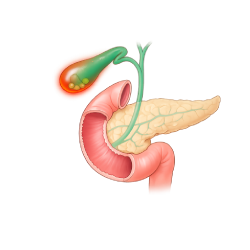
The gallbladder stores bile beneath the liver and releases it after meals. Gallstones form when components of bile harden. A stone that temporarily blocks the gallbladder outlet can cause biliary colic: steady pain in the right upper or upper-middle abdomen, often after eating and sometimes extending to the back or right shoulder.
Longer-lasting blockage can inflame or infect the gallbladder. Stones can also move into the main bile duct and cause jaundice, infection, or pancreatitis. Because reflux, ulcers, liver conditions, and other abdominal problems can feel similar, the diagnosis should connect the pain pattern with examination, ultrasound, and laboratory results.
Gallstones found incidentally without a compatible symptom pattern do not automatically explain digestive discomfort or require surgery.
Is this serious?
Brief episodes that fully resolve may allow a planned surgical visit. Persistent pain, inflammation, bile-duct blockage, or pancreatitis requires faster assessment.
Typical pain that has stopped, without fever, jaundice, or ongoing vomiting, can often be reviewed electively.
More frequent pain, reduced food tolerance, longer episodes, or uncertain test results deserve timely evaluation.
Severe lasting pain, fever, jaundice, repeated vomiting, or acute illness may signal inflammation, duct blockage, or pancreatitis.
Do I need surgery?
When gallstones cause characteristic attacks or gallbladder inflammation, removal of the gallbladder is the definitive treatment. The body can continue to digest food without it because bile still travels directly from the liver to the intestine.
If a stone is suspected in the main bile duct, additional imaging or an endoscopic bile-duct procedure may be needed before or around surgery. Severe inflammation, previous operations, and anatomy can change the operative approach, but most planned cholecystectomies begin with minimally invasive access.
The gallbladder is separated from the liver, its duct and artery are controlled, and the organ is removed.
Gallstones cause typical attacks, inflammation, pancreatitis, or another gallbladder complication.
A camera and long instruments allow the operation through several small abdominal incisions.
The patient and anatomy are appropriate for minimally invasive surgery.
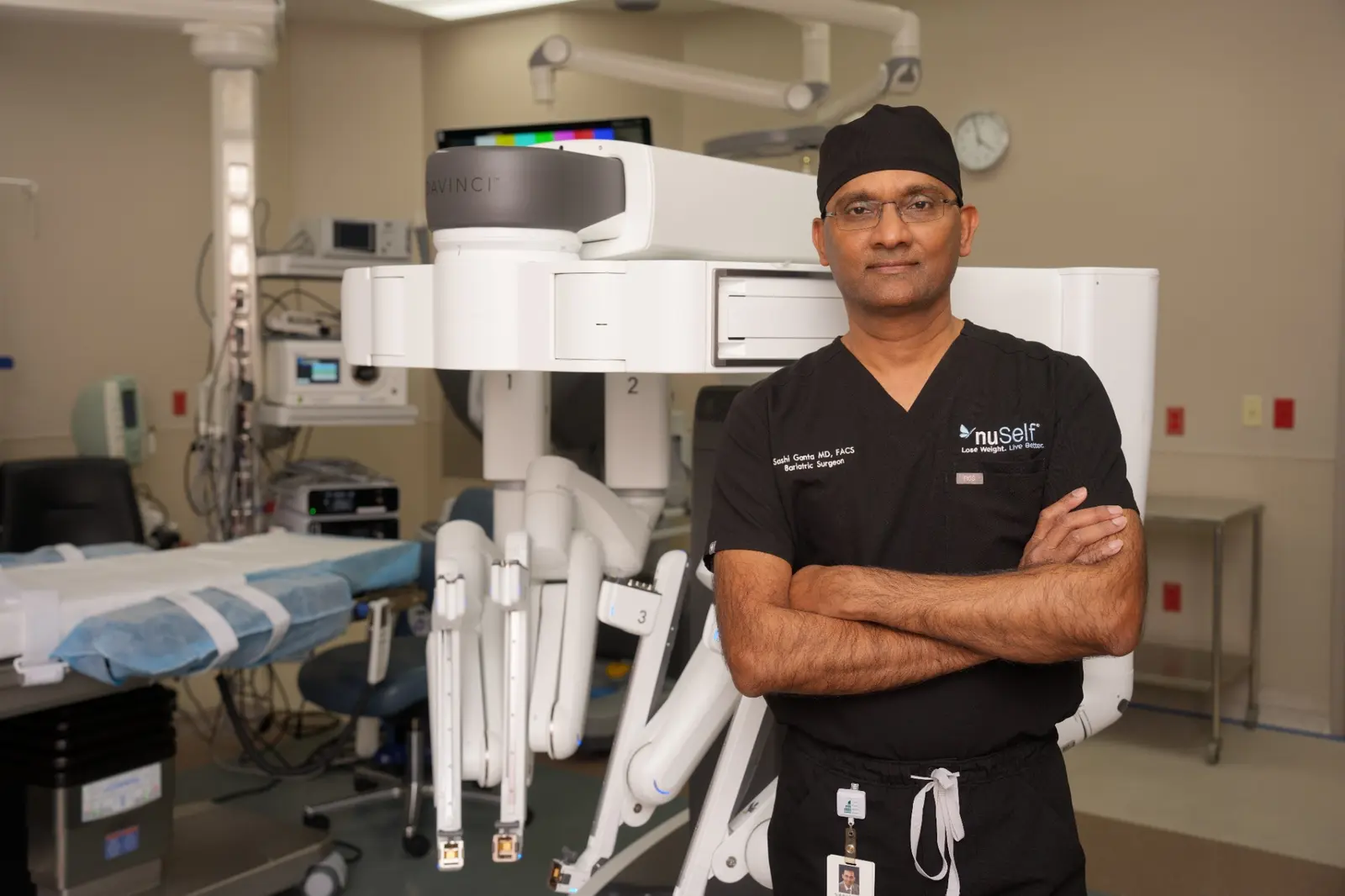
The surgeon uses articulated instruments and three-dimensional visualization through small incisions.
Robotic access supports the planned dissection and facility setting.
Technology with purpose
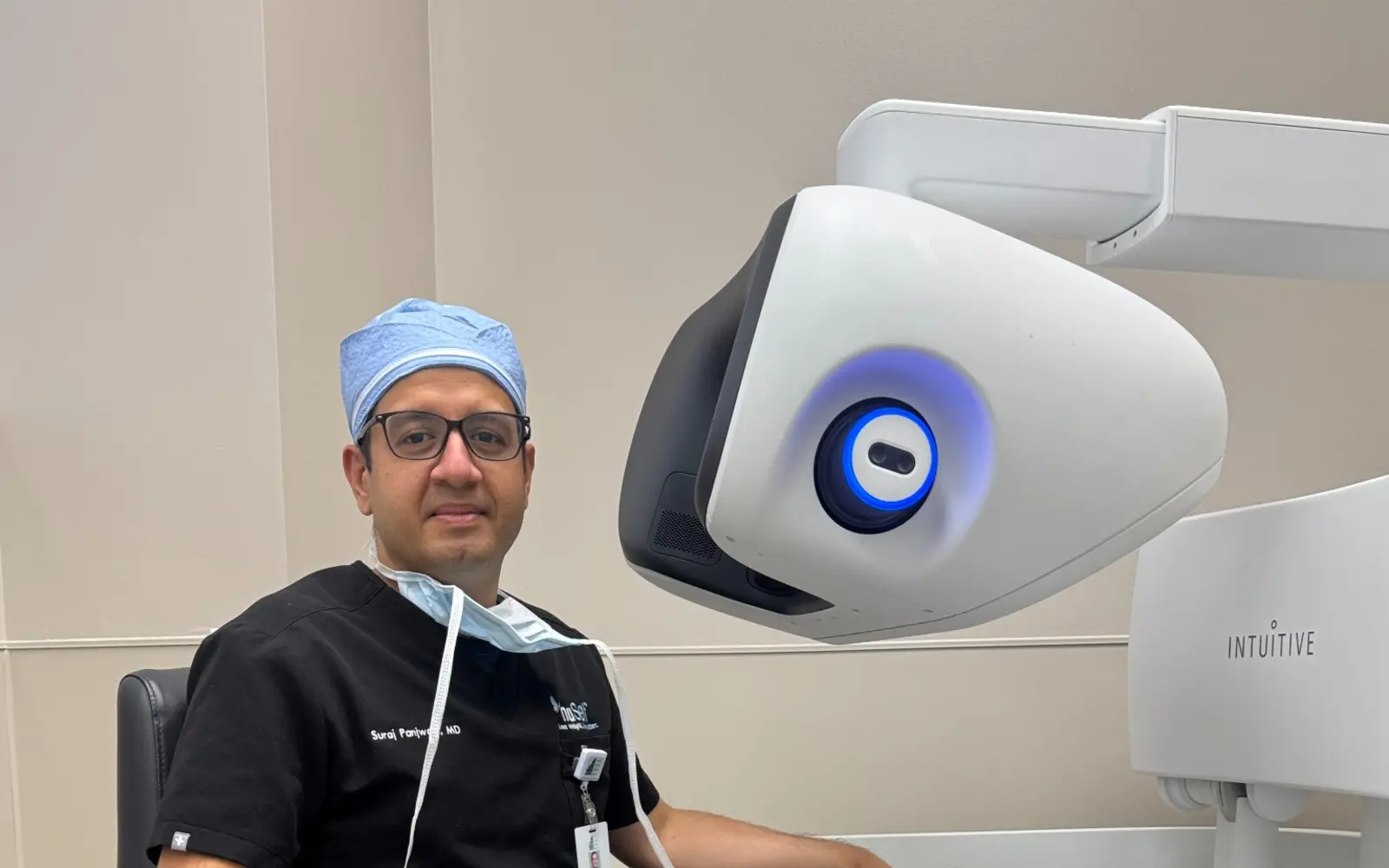
Minimally invasive tools can support visualization and precise dissection. The operating surgeon remains in control, identifies the anatomy, and may change the approach when inflammation or an unexpected finding makes that safer.
Explore robotic surgery at NuSelfHow quickly?
Gallbladder symptoms can recur unpredictably. The safest next step depends on whether the episode has resolved or signs of an active complication are present.
A resolved typical attack with known gallstones and no current fever, jaundice, or persistent vomiting.
Schedule a surgical review and bring the ultrasound report.More frequent attacks, longer pain, reduced food tolerance, or uncertain imaging and laboratory findings.
Contact the practice or treating clinician promptly.Severe persistent pain, fever, jaundice, repeated vomiting, confusion, or feeling acutely unwell.
Go to the nearest emergency department or call 911.Who will perform my surgery?
Your surgeon confirms that the symptoms fit the gallbladder, reviews ultrasound and laboratory results, and explains the planned access, alternatives, and recovery.

Founder & Board-Certified Surgeon
Yale fellowship-trained surgeon with experience in advanced minimally invasive, robotic, complex general, bariatric, revisional, and second-opinion care.
View physician profile
Board-Certified, Fellowship-Trained Surgeon
Yale-affiliated chief residency and advanced fellowship training in minimally invasive, bariatric, robotic, and general surgery.
View physician profileWill it be painful?
Anesthesia controls pain during the operation. After surgery, patients may notice incision soreness, abdominal tightness, or temporary shoulder discomfort from the gas used during minimally invasive access. The plan emphasizes movement, hydration, and multimodal medication.
How long until I feel like myself?
An uncomplicated outpatient operation often permits a progressive return to routine, while severe inflammation or an open operation can extend recovery.
Complicated disease changes recovery. Acute infection, pancreatitis, bile-duct procedures, conversion to open surgery, or other findings can lengthen the hospital stay and activity timeline.
Frequently asked questions
Short answers to the questions that often come next. Your examination, testing, and medical history determine what applies to you.
Explore patient resourcesNo. Stones without symptoms may not require treatment. Surgery is commonly recommended when stones cause typical attacks, inflammation, pancreatitis, or another complication.
Yes. Bile continues to flow from the liver into the intestine. Most people resume a varied diet, although some experience temporary bowel or food-tolerance changes.
A gallbladder ultrasound and liver-related blood tests are common. Additional imaging may be used when a bile-duct stone or another diagnosis is suspected.
Not necessarily. Gallbladder removal treats gallbladder disease, not every cause of indigestion. A compatible symptom pattern is important before attributing symptoms to stones.
A duct stone may require specialized imaging or endoscopic removal before, during, or after gallbladder surgery, depending on the clinical situation and available expertise.
Follow your discharge instructions. Worsening abdominal pain, persistent vomiting, fever, jaundice, breathing difficulty, fainting, or concerning wound changes require prompt contact or emergency evaluation.
Your next step
Share the pain pattern, ultrasound findings, and what has changed. Explore organized care options or schedule a focused gallbladder consultation.
This page provides general education and does not replace an examination, diagnosis, or individualized medical advice.