
Screening or stable symptoms
Routine colorectal screening, stable reflux evaluation, or planned surveillance can follow scheduled preparation.
Diagnostic and therapeutic endoscopy in Central Texas
An endoscopy should answer a defined question. NuSelf helps determine whether upper endoscopy, colonoscopy, or another evaluation fits your symptoms, then explains preparation, sedation, findings, pathology, and next steps.
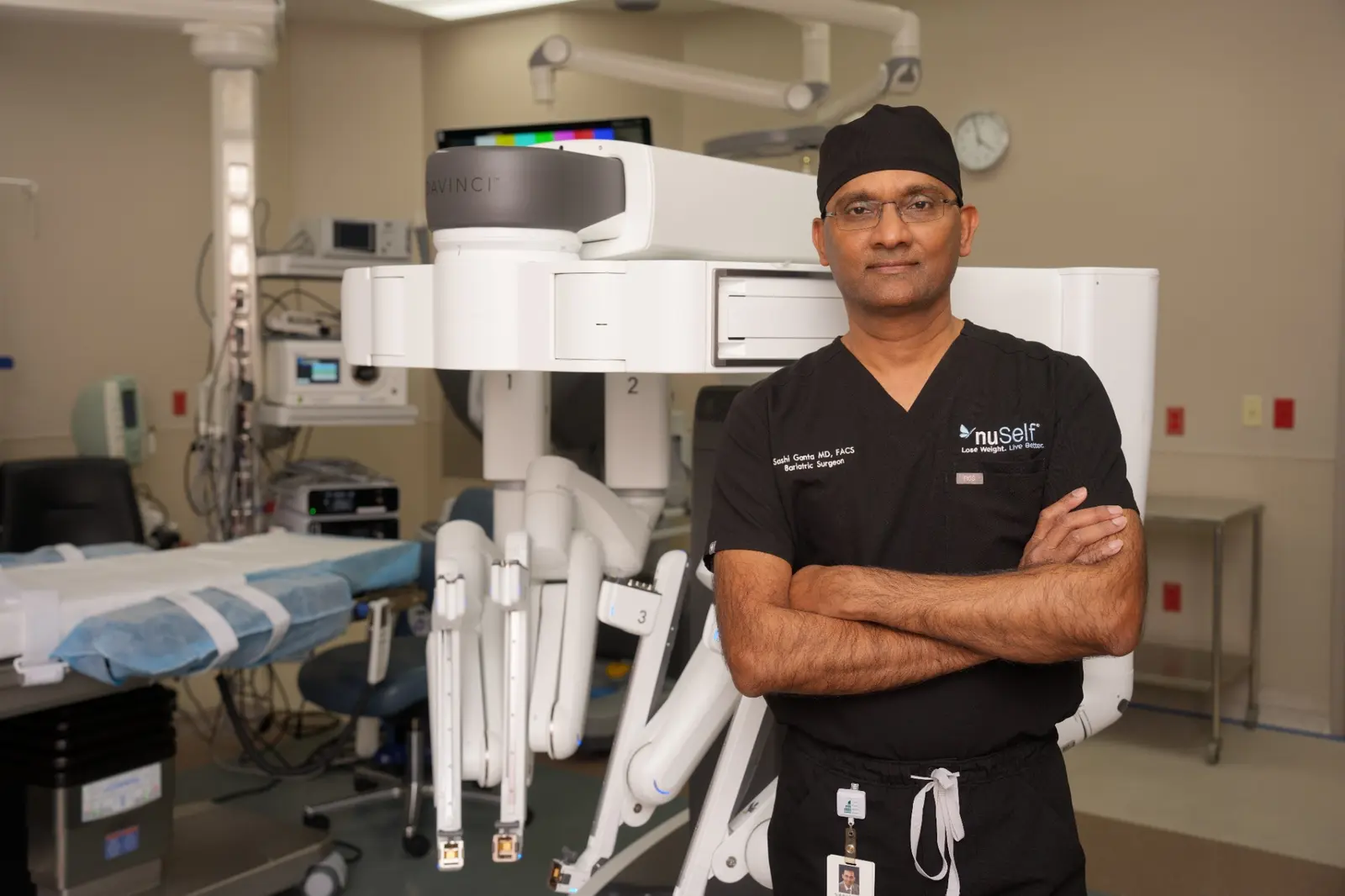
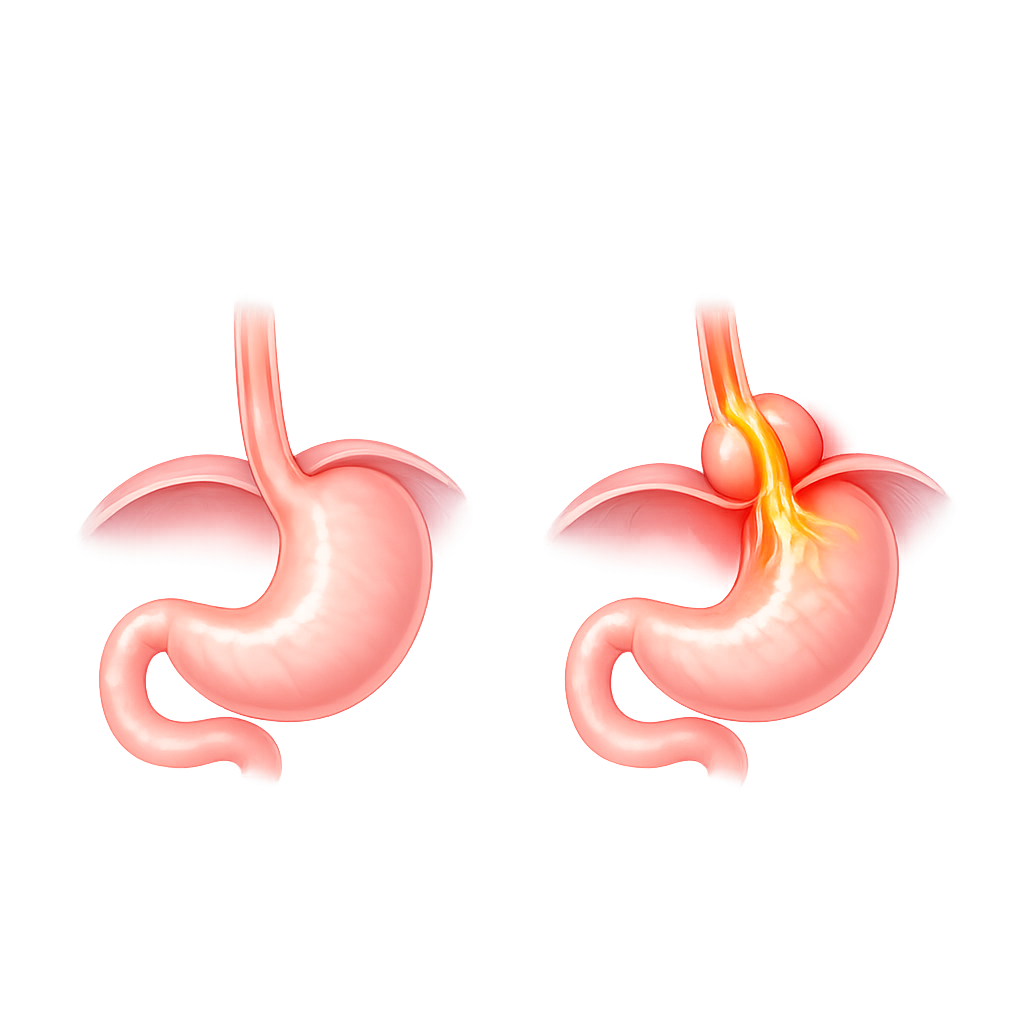
What is this?
Upper endoscopy, also called EGD, examines the esophagus, stomach, and beginning of the small intestine. It can evaluate swallowing difficulty, persistent upper-abdominal symptoms, reflux complications, bleeding, anemia, ulcers, or anatomy after prior surgery.
Colonoscopy examines the colon and may be used for screening, bleeding, bowel changes, abnormal imaging, polyp follow-up, or other defined indications. During either procedure, the physician may collect tissue, remove selected polyps, dilate a narrowing, control bleeding, or perform another planned treatment.
The reason for the test determines the preparation, procedure, and follow-up, not the camera alone.
How urgent is it?
Routine screening can be planned. Bleeding, progressive swallowing difficulty, anemia, weight loss, or severe symptoms require a more timely clinical assessment.
Routine colorectal screening, stable reflux evaluation, or planned surveillance can follow scheduled preparation.
Progressive swallowing difficulty, anemia, unexplained weight loss, recurrent vomiting, or concerning bowel changes require timely review.
Vomiting blood, black or heavy bloody stool, fainting, severe pain, inability to swallow liquids, or breathing difficulty needs immediate care.
What happens during the procedure?
Before the procedure, the team confirms fasting or bowel-preparation instructions, transportation, allergies, sleep apnea, prior anesthesia problems, and medication issues. Blood thinners, diabetes medicines, and weight-loss medicines may require individualized instructions; do not stop or change them without direction.
Sedation is commonly used. The endoscope passes through the mouth for EGD or through the rectum for colonoscopy. The physician documents the examination and any treatment. Tissue samples require laboratory processing, so the final answer may arrive after the immediate procedure report.
Examines the esophagus, stomach, and duodenum and can collect biopsies or perform selected therapy.
Fasting, medication review, sedation plan, and transportation home.
Examines the colon and can remove many polyps or collect tissue during the same procedure.
A prescribed bowel-cleansing plan, clear-liquid instructions, medication review, and a driver.
Selected tools can treat a narrowing, bleeding point, lesion, or other defined problem.
Procedure-specific consent, risk discussion, and a follow-up plan.
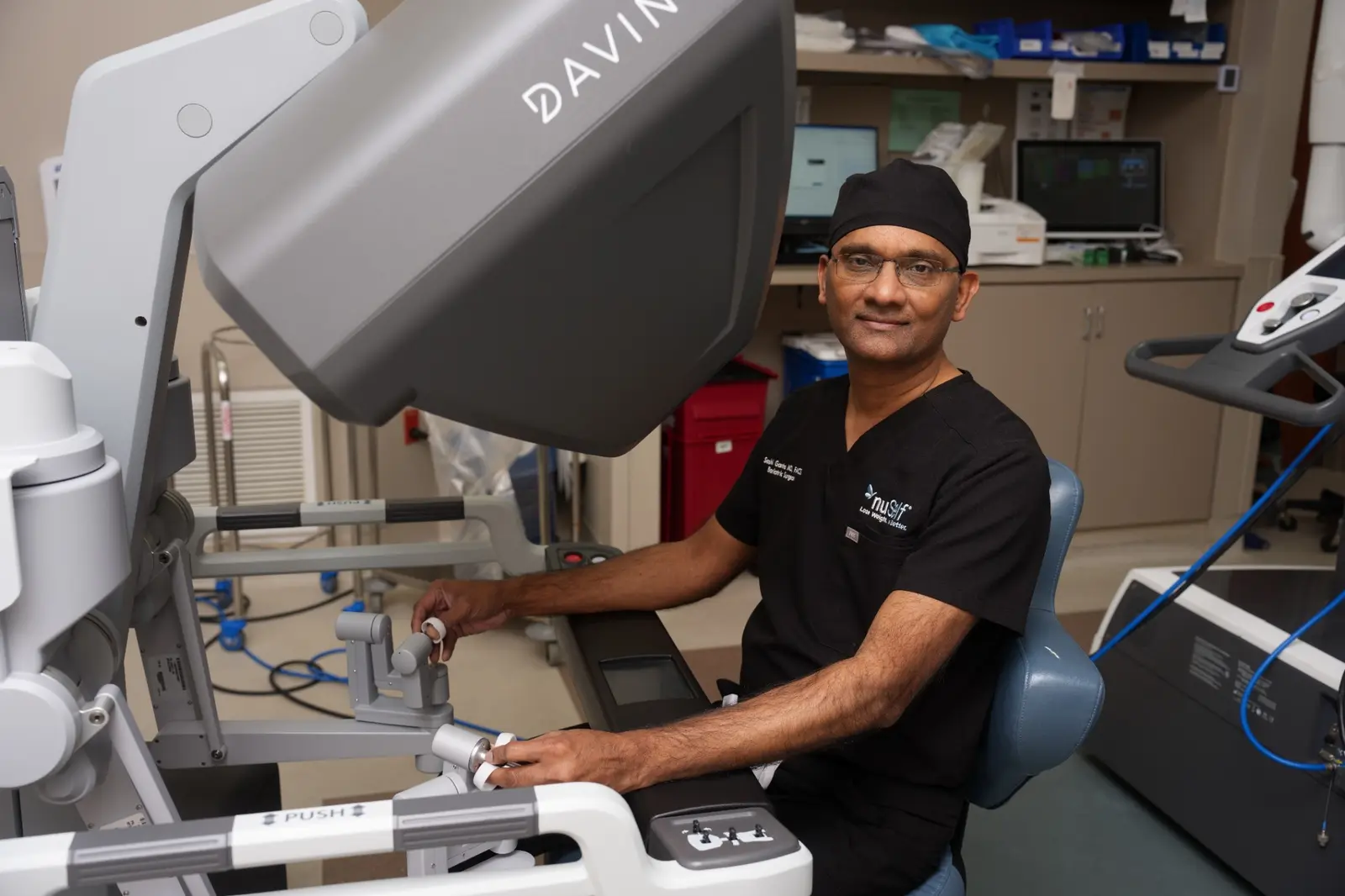
One test. A complete answer.
You should leave with a preliminary explanation, written instructions, and a plan for results. If tissue is sampled, final recommendations may wait for pathology. NuSelf keeps the procedure tied to the reason it was ordered.
Review procedure preparationHow quickly?
Scheduling is based on why the examination is needed and whether alarm symptoms are present.
Screening, surveillance, or stable symptoms without bleeding, anemia, weight loss, or progressive swallowing problems.
Schedule the appropriate consultation or procedure.Anemia, progressive dysphagia, unexplained weight loss, recurrent vomiting, significant bowel change, or concerning imaging.
Contact a clinician for timely triage.Active major bleeding, fainting, severe pain, inability to swallow liquids, persistent vomiting, or breathing difficulty.
Call 911 or go to the nearest emergency department.Who will perform my procedure?
The NuSelf team confirms the indication, performs the appropriate examination, explains findings, and coordinates pathology or treatment when the result changes care.
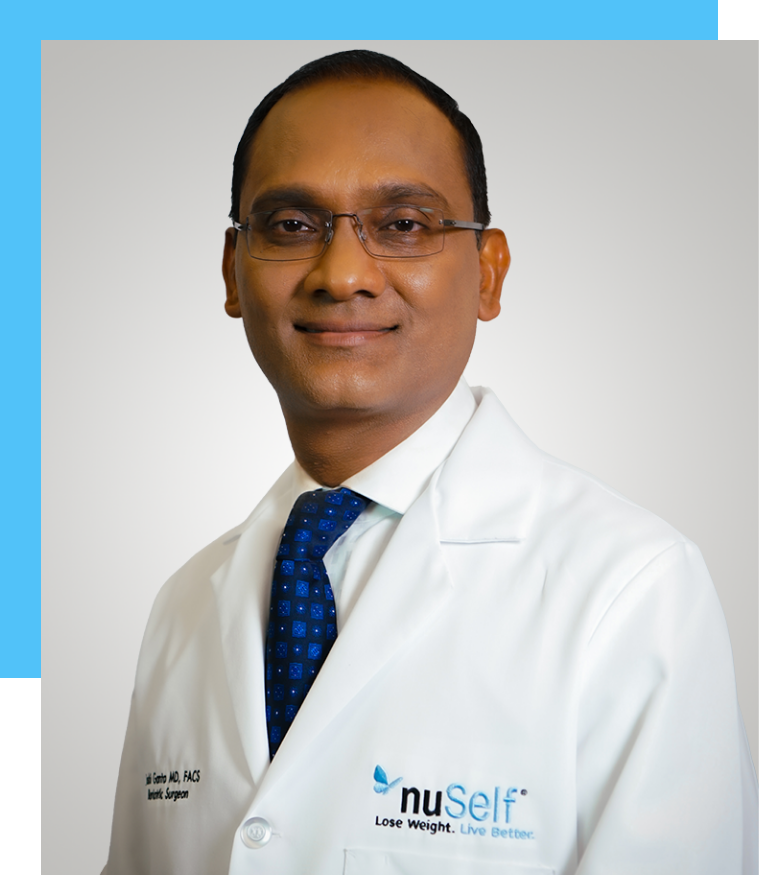
Founder & Board-Certified Surgeon
Yale fellowship-trained surgeon with experience in advanced minimally invasive, robotic, complex general, bariatric, revisional, and second-opinion care.
View physician profile
Board-Certified, Fellowship-Trained Surgeon
Yale-affiliated chief residency and advanced fellowship training in minimally invasive, bariatric, robotic, and general surgery.
View physician profileWhat will I feel?
Most patients do not remember much of the procedure itself. Temporary throat irritation, gas, bloating, or cramping can occur afterward. Because sedation affects judgment and coordination, a responsible adult must follow the transportation instructions.
When can I return to normal?
Biopsy or treatment may add specific restrictions. Follow the written discharge instructions for the exact procedure performed.
Treatment can change the instructions. Polyp removal, dilation, bleeding treatment, or an unexpected finding may require different eating, medication, activity, or follow-up guidance.
Frequently asked questions
Short answers to the questions that often come next. Your examination, testing, and medical history determine what applies to you.
Explore patient resourcesUpper endoscopy examines the esophagus, stomach, and duodenum through the mouth. Colonoscopy examines the colon through the rectum.
Sedation is commonly used, but the exact type depends on the procedure, health, facility, and anesthesia plan. The team will explain what to expect.
Some medicines can be continued and others need individual instructions, especially blood thinners, diabetes medicines, and weight-loss medicines. Do not change medication without direction.
Sedation can impair reaction time, judgment, and coordination even when you feel awake. Follow the facility’s transportation and supervision requirements.
The physician usually provides preliminary findings the same day. Biopsy or polyp pathology takes additional time and can change the final recommendation.
Severe or increasing chest or abdominal pain, fever, shortness of breath, fainting, persistent vomiting, black stool, or more than expected bleeding requires prompt evaluation.
Your next step
Tell us why endoscopy was recommended, what symptoms or screening need you have, and any prior results. Explore options or schedule the appropriate NuSelf visit.
This page provides general education and does not replace an examination, diagnosis, or individualized medical advice.