
Already treated and improving
After hospital treatment or surgery, a planned visit can review healing, pathology, or staged next steps.
Appendix care and surgical follow-up in Central Texas
Appendicitis can progress quickly and is not a condition to diagnose through a routine website visit. If emergency care has already stabilized the problem, NuSelf can help with surgical follow-up, interval planning, or a focused second opinion.
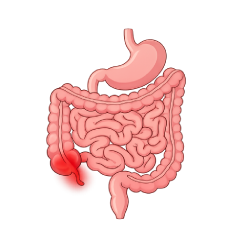
What is this?
Appendicitis occurs when the appendix becomes blocked and inflamed. Pain often begins near the middle of the abdomen and moves toward the right lower side, but the pattern is not identical for everyone. Nausea, loss of appetite, fever, and tenderness may develop.
Examination, blood and urine tests, and ultrasound or CT imaging help distinguish appendicitis from intestinal, urinary, gynecologic, and other causes of pain. A perforated appendix can create an abscess or widespread infection and changes both immediate treatment and recovery.
Do not wait for an office appointment when appendicitis is possible and symptoms are active or worsening.
Is this serious?
The key distinction is not mild versus severe pain. It is whether appendicitis or a complication is possible. Emergency clinicians can perform the examination and imaging needed without routine scheduling delay.
After hospital treatment or surgery, a planned visit can review healing, pathology, or staged next steps.
New pain, fever, reduced intake, wound concerns, or drain problems after treatment require timely clinical guidance.
Worsening abdominal pain, fever, vomiting, marked tenderness, fainting, or acute illness belongs in an emergency department.
Will I need surgery?
Appendectomy removes the inflamed appendix and is a standard definitive treatment. Some selected uncomplicated cases may be treated initially with antibiotics after a hospital team discusses recurrence and the possibility of later surgery. A contained abscess may first require antibiotics, image-guided drainage, and follow-up before deciding whether an interval appendectomy is useful.
The decision is made from the clinical examination, imaging, overall health, and response to treatment. The safest plan can change during hospitalization if inflammation progresses or another diagnosis becomes clear.
The appendix is divided from the colon and removed, usually through small incisions.
Acute appendicitis is confirmed and the patient is an appropriate operative candidate.
Hospital-supervised antibiotics may be used initially in carefully selected uncomplicated disease.
Symptoms can recur and later appendectomy may still be needed.
A contained collection may be treated with antibiotics and sometimes image-guided drainage before later review.
Immediate operation would be more difficult or the abscess is suitable for drainage.
Immediate care, then clear follow-up
NuSelf’s outpatient links are appropriate for follow-up after hospital care, interval planning after an appendix abscess, pathology review, or a second opinion. Active worsening symptoms should go directly to emergency services.
Explore a second opinionHow quickly?
Once emergency care has addressed the acute problem, follow-up timing depends on surgery, antibiotics, a drain, pathology, and whether staged treatment is planned.
Improving after uncomplicated appendectomy with no fever, worsening pain, or wound concern.
Keep the scheduled postoperative visit.Known abscess, drain issue, new wound change, reduced intake, or recovery that stops improving.
Contact the treating team promptly.Possible untreated appendicitis, severe or worsening pain, fever, vomiting, rigidity, fainting, or acute illness.
Go to the nearest emergency department or call 911.Who will manage my follow-up?
NuSelf can review hospital records, imaging, operative findings, pathology, drains, and staged-care needs so the recovery and follow-up plan remains coherent.

Founder & Board-Certified Surgeon
Yale fellowship-trained surgeon with experience in advanced minimally invasive, robotic, complex general, bariatric, revisional, and second-opinion care.
View physician profile
Board-Certified, Fellowship-Trained Surgeon
Yale-affiliated chief residency and advanced fellowship training in minimally invasive, bariatric, robotic, and general surgery.
View physician profileWill it be painful?
After uncomplicated appendectomy, incision and right-lower abdominal soreness are expected. A perforation, abscess, drain, or open operation can cause more discomfort and a longer recovery. The pattern matters: pain that worsens, returns with fever, or prevents hydration deserves prompt reassessment.
How long until I feel like myself?
The timeline starts with the severity of infection, operation performed, and whether a drain or additional treatment is needed.
Complications extend the timeline. A perforation, abscess, widespread infection, bowel issue, or open operation may require a longer hospital course and closer follow-up.
Frequently asked questions
Short answers to the questions that often come next. Your examination, testing, and medical history determine what applies to you.
Explore patient resourcesNo. Appendicitis requires prompt in-person examination and often laboratory testing and imaging. Use emergency care for active or worsening symptoms.
Appendectomy is a standard definitive treatment. Selected uncomplicated cases or a contained abscess may follow an antibiotic or staged plan under direct clinical supervision.
Yes. The risk of recurrence is an important part of choosing antibiotic treatment and may lead to later appendectomy.
A contained abscess may be safer to control with antibiotics and image-guided drainage before reassessing the need and timing for surgery.
Most patients do not. Food is advanced according to tolerance and the hospital course. Perforation or bowel complications may require individualized instructions.
Worsening pain, persistent vomiting, fever, abdominal swelling, fainting, breathing difficulty, inability to hydrate, or concerning wound or drain changes require prompt evaluation.
Your next step
If emergency care has already addressed the acute problem, share the hospital findings and what remains unresolved. Explore options or book a focused appendix follow-up visit.
This page provides general education and does not replace an examination, diagnosis, or individualized medical advice.