
Stable and reducible
A soft bulge that becomes smaller at rest, with mild or predictable symptoms, is usually evaluated through a scheduled consultation.
Complete hernia care in Austin & Central Texas
A bulge, pressure, or pain in the abdomen or groin can raise immediate questions. NuSelf identifies the type of hernia, explains how serious it is, and builds a repair and recovery plan around your anatomy, health, and daily life.
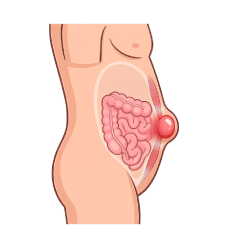
What is this?
A hernia develops when fat, intestine, or another structure pushes through an opening or weakened area in the abdominal wall. The name usually describes where it occurs. Inguinal hernias develop in the groin, umbilical hernias at the belly button, and ventral or incisional hernias along the front of the abdomen.
Some hernias are obvious when you stand or strain. Others are felt mainly as pressure, pulling, aching, or a change near a previous incision. The examination often establishes the diagnosis; ultrasound or CT imaging may help when the anatomy is uncertain, the defect is larger, or a prior repair has failed.
The same symptom can have more than one cause. Your surgeon connects the physical findings, history, and imaging before recommending treatment.
Should I be concerned?
The important distinction is whether the hernia is soft and stable, increasingly symptomatic, or suddenly trapped. A hernia does not heal by itself, although the timing and benefit of repair vary by type and patient.
A soft bulge that becomes smaller at rest, with mild or predictable symptoms, is usually evaluated through a scheduled consultation.
Increasing size, discomfort, difficulty reducing the bulge, or interference with work and exercise should move the evaluation forward.
Severe pain, a firm or discolored bulge, vomiting, fever, or abdominal swelling may signal obstruction or loss of blood flow.
Do I need surgery?
Inguinal hernias are definitively treated with repair when the patient is medically fit. For other small, minimally symptomatic defects, the recommendation may depend on size, location, progression, future pregnancy plans, and operative risk. Symptomatic, enlarging, recurrent, or function-limiting hernias commonly lead to a repair discussion.
Your surgeon explains whether mesh may strengthen the repair, where it would be placed, and why an open or minimally invasive approach fits the anatomy. Health factors such as nicotine use, diabetes, nutrition, and weight can influence wound healing and recurrence and may be optimized before an elective operation.
An incision over the hernia provides direct access to return tissue and reconstruct the weak area.
Small primary defects, selected complex repairs, or anatomy best reached directly.
A camera and long instruments allow repair from inside the abdomen through several small incisions.
Selected bilateral, recurrent, or ventral hernias and patients suited to general anesthesia.
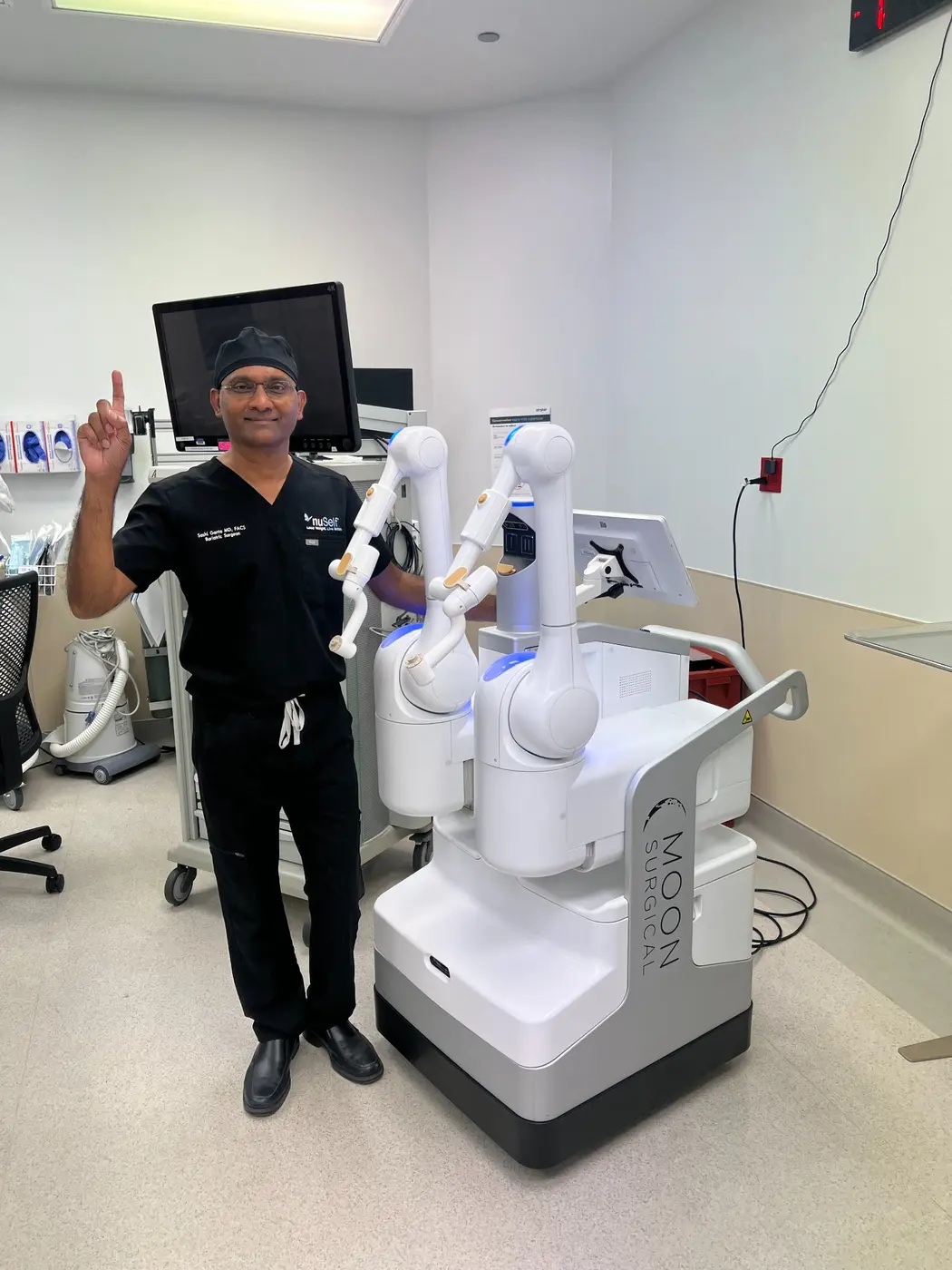
The surgeon controls a robotic platform for magnified visualization and instrument movement.
Selected abdominal-wall repairs where the technology supports the planned reconstruction.
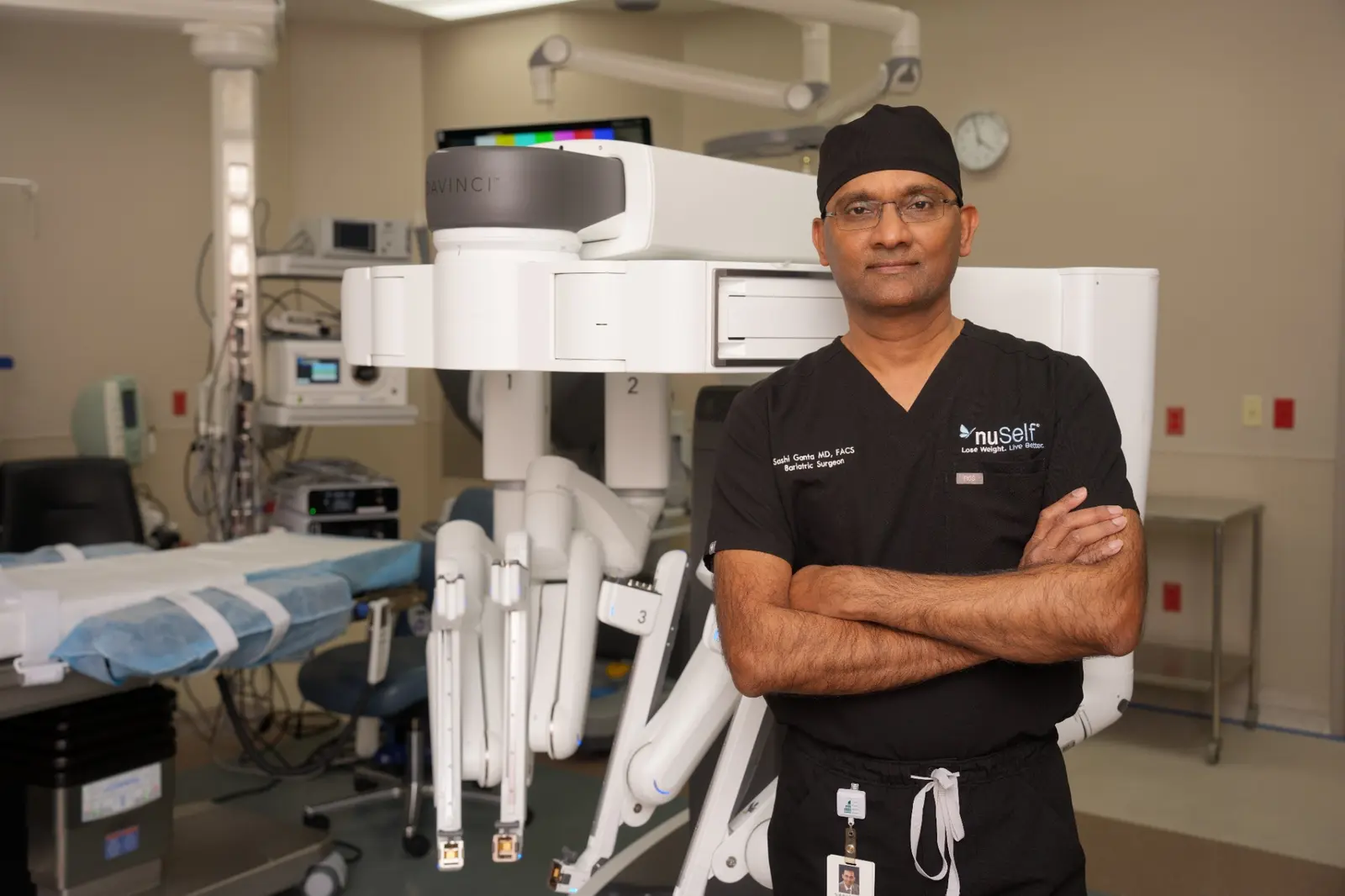
Repair built around the person
NuSelf surgeons use open, laparoscopic, and robotic techniques. The best approach depends on the hernia location, tissue quality, previous operations, and the work the abdominal wall must do after healing.
Explore robotic surgery at NuSelfHow quickly?
Most hernia repairs are scheduled after a focused evaluation and preparation. Rapid change, obstruction symptoms, or a trapped bulge requires a different level of care.
Stable bulge, manageable symptoms, and no emergency signs.
Schedule an evaluation and discuss the repair window.Increasing pain or size, new activity limits, or a bulge that is harder to reduce.
Contact NuSelf for timely clinical guidance.Sudden severe pain, firm or discolored bulge, vomiting, fever, or abdominal swelling.
Call 911 or go to the nearest emergency department.Who will evaluate me?
Your surgeon evaluates the entire abdominal wall, reviews any previous repair, and explains why a particular technique and recovery plan fit your condition.
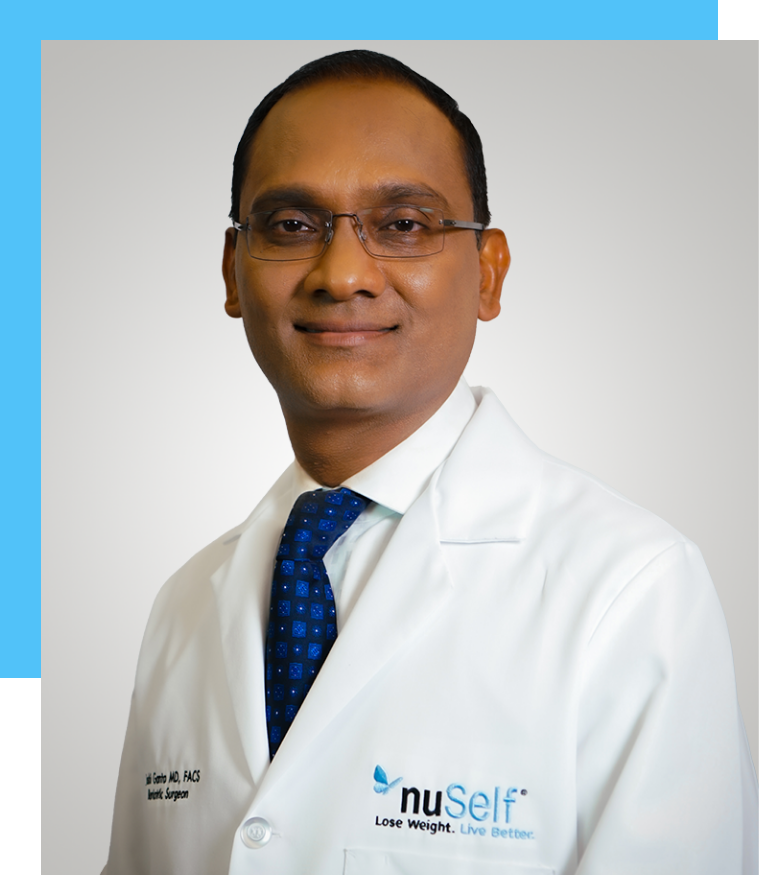
Founder & Board-Certified Surgeon
Yale fellowship-trained surgeon with experience in advanced minimally invasive, robotic, complex general, bariatric, revisional, and second-opinion care.
View physician profile
Board-Certified, Fellowship-Trained Surgeon
Yale-affiliated chief residency and advanced fellowship training in minimally invasive, bariatric, robotic, and general surgery.
View physician profileWill it be painful?
The amount and location of soreness depend on the repair. Anesthesia controls pain during surgery, and the postoperative plan may combine non-opioid medications, limited prescription medication when appropriate, movement, and support for coughing or position changes.
How long until I feel like myself?
A small outpatient repair and a complex abdominal-wall reconstruction do not share the same timeline. These milestones describe the sequence; your surgeon provides the dates.
Your operation defines your timeline. The team will provide procedure-specific instructions for driving, work, lifting, exercise, nutrition, and reasons to call.
Frequently asked questions
Short answers to the questions that often come next. Your examination, testing, and medical history determine what applies to you.
Explore patient resourcesThe location and examination usually identify the type. Imaging can help when the defect is not obvious, has recurred, or involves a larger portion of the abdominal wall.
No. Urgency depends on the type, symptoms, reducibility, progression, and your health. A confirmed inguinal hernia is definitively treated with repair when medically appropriate; other small stable defects may allow a planned discussion.
Mesh is commonly used to reinforce many adult hernia repairs and reduce tension, but it is not identical for every defect. Your surgeon should explain whether it is recommended, what kind of position is planned, and why.
Recurrence is possible after any repair. Hernia complexity, tissue quality, previous repairs, wound problems, nicotine use, diabetes, weight, and activity during healing can affect risk.
Yes. A patient can have defects in more than one location or multiple openings within an abdominal scar. Examination and selective imaging help map the full problem.
Bring prior operation reports, information about mesh, imaging reports and images, and details of any wound infection or drainage. These records can materially change repair planning.
Your next step
Share where the bulge or discomfort occurs and what has changed. Explore organized care options or schedule a focused hernia consultation.
This page provides general education and does not replace an examination, diagnosis, or individualized medical advice.