Gallbladder Surgery in Austin & Cedar Park

Gallbladder removal, also called a cholecystectomy, is the surgical removal of the gallbladder.

Book Consultation
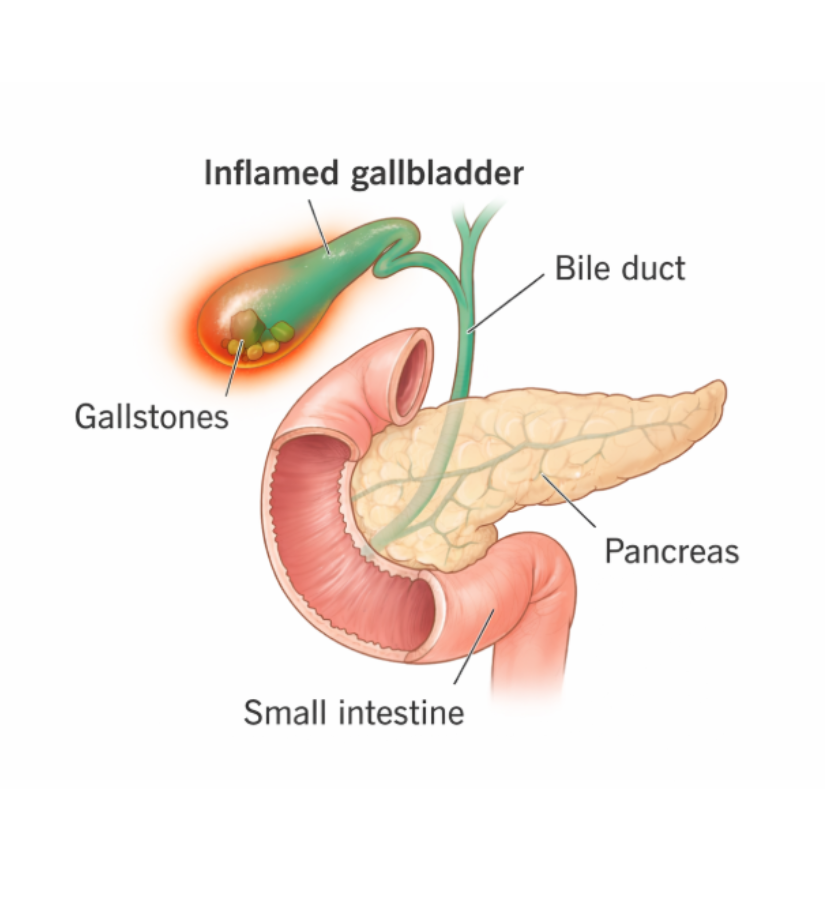
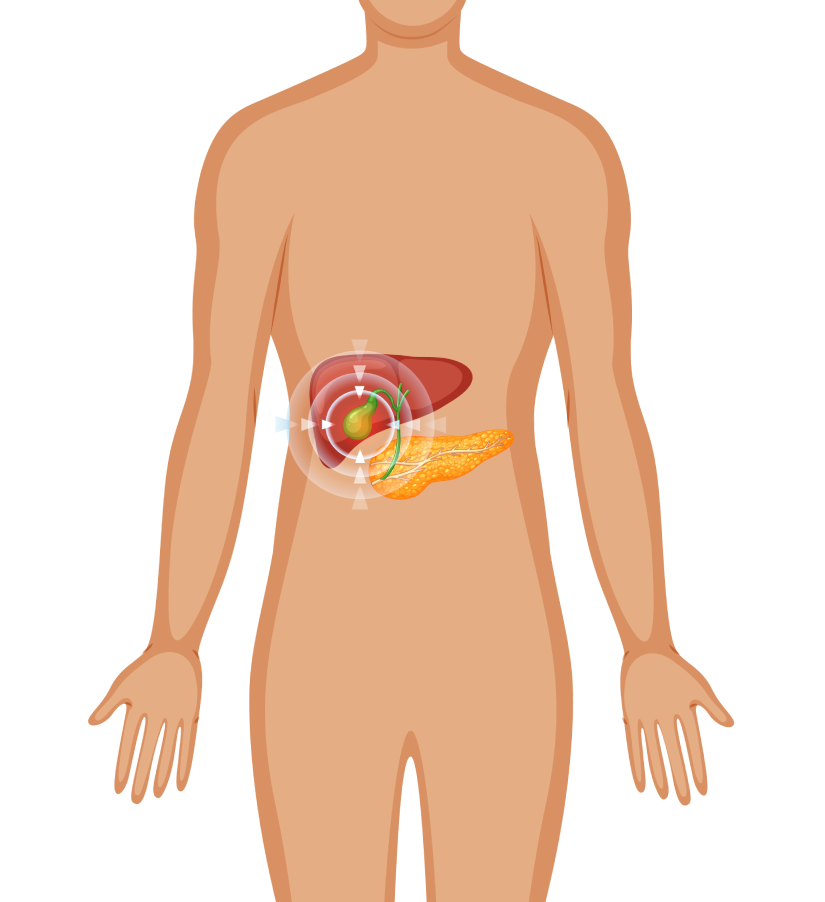
What this is

Gallbladder removal, also called a cholecystectomy, is the surgical removal of the gallbladder. It is most commonly performed to treat gallstones or inflammation of the gallbladder (cholecystitis).

Gallstones can block normal bile flow and cause pain, infection, nausea, or digestive symptoms. Removing the gallbladder relieves symptoms and prevents future complications.

Common Symptoms

Common symptoms include:

  • Pain in the upper right abdomen
  • Pain after eating, especially fatty meals
  • Nausea or vomiting
  • Bloating or indigestion
  • Fever (in cases of infection)

When surgery may be recommended

Cholecystectomy may be recommended when:

  • Gallstones cause repeated pain or digestive symptoms
  • Gallbladder inflammation (cholecystitis) is present
  • Gallstones block bile ducts
  • Infection develops
  • Complications such as pancreatitis occur

Surgery may be urgent if infection or obstruction is suspected.

Treatment options

Minimally Invasive (Laparoscopic/Robotic Cholecystectomy)

  • 3–4 small incisions
  • Camera-guided surgery
  • Removal of the gallbladder
  • Less pain and faster recovery

Open Cholecystectomy

  • Single larger incision
  • Used if minimally invasive surgery is not appropriate
  • Reserved for complex or inflamed cases

Why choose Nuself

At Nuself, our surgeons are fellowship-trained in minimally invasive surgery, offering advanced techniques that prioritize smaller incisions, less pain, and faster recovery. We provide personalized, patient-centered care with a focus on safety, efficiency, and excellent surgical outcomes.

Recovery and what to expect

Most patients can expect:

  • Same-day discharge or overnight stay
  • Return to light activity within a few days
  • Return to normal activity within 1–2 weeks

Most people digest food normally after gallbladder removal.

FAQs

  • Typically 45–90 minutes
  • Longer if inflammation or complications are present

Yes. The gallbladder stores bile, but the liver continues to produce bile normally after surgery.

Cholecystectomy is very safe, but potential risks include:

  • Infection
  • Bleeding
  • Bile leak (rare)
  • Injury to nearby structures (rare)

Most patients return to a normal diet. Some people temporarily avoid fatty foods during early recovery.

Seek evaluation if you have:

  • Severe upper abdominal pain
  • Fever with abdominal pain
  • Persistent nausea or vomiting
  • Yellowing of the skin or eyes (jaundice)

Book consultation

Our Locations

Serving You Across Multiple Locations

Austin

Cedar Park

South Austin